

What kind of book is the Bible?
The Bible has been read across the world for a very long time.
But the church does not treasure it simply because it is famous or ancient.
Christians have received the Bible as “the word of God.”
It speaks about God, speaks about humanity, and turns our attention toward God.
But why call this book God's word?
Let's look at a few reasons.

First, what does the Bible say about itself?
The letters to Timothy say that Scripture gives wisdom that leads toward salvation in Christ Jesus.
They also say that Scripture is inspired by God.
It is given for teaching, correction, and forming people for what is good.
The Bible does not present itself as merely one religious book among many.
So how should we think about that claim?
We can look at what appears within the Bible itself,
and at what can be examined in history.

First, look inside the Bible.
The Bible was not written all at once by a single person.
It was written across long periods of time, in different places, by people with different backgrounds.
History, poetry, prophecy, letters—the forms and purposes differ.
Yet from creation, through humanity's relationship with God, sin, promise, and salvation, the story moves toward Jesus Christ in the New Testament.
Across many books, one large story runs through the whole Bible.
The church has long seen that connected story as one of the Bible's striking features.
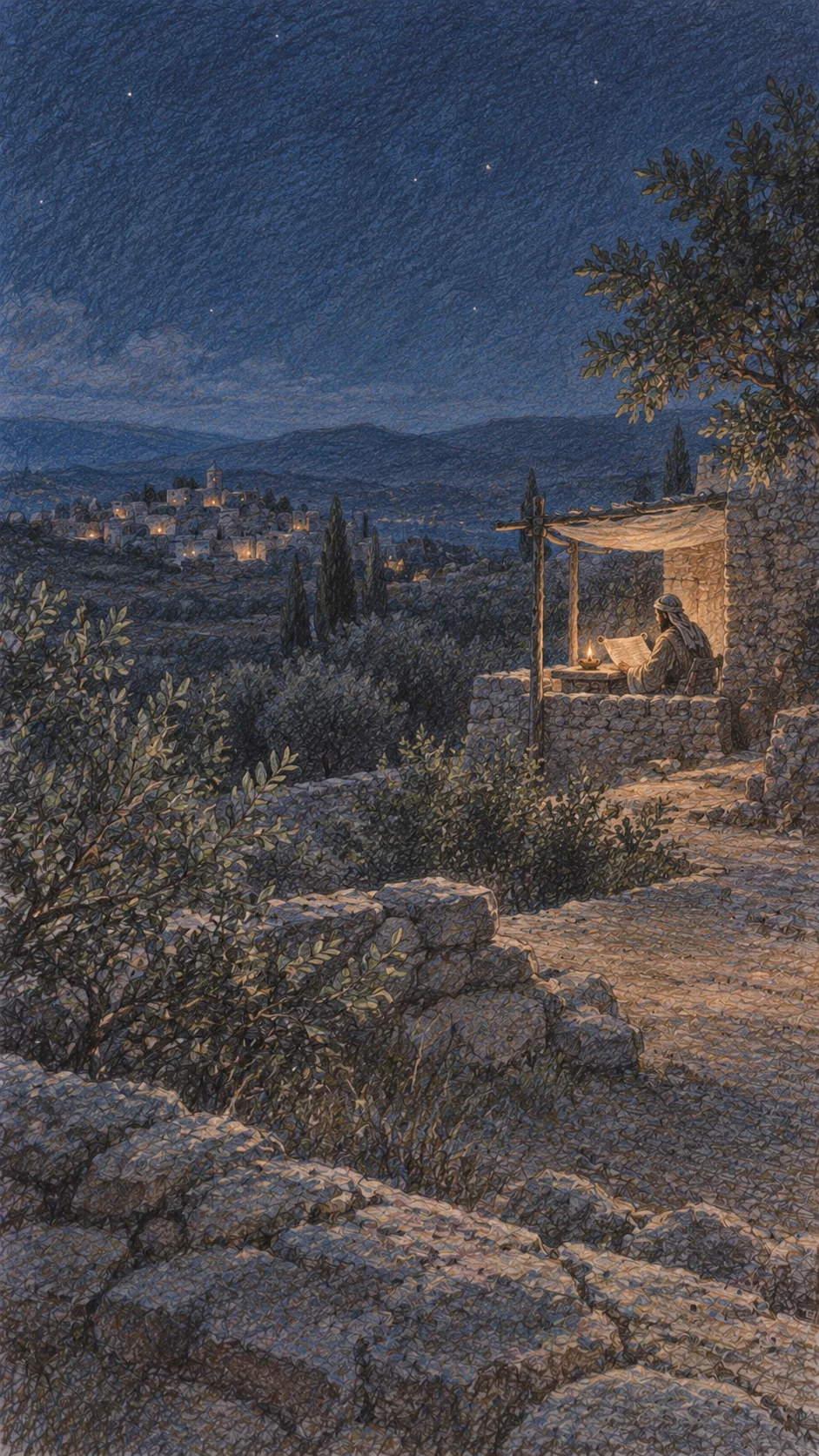
And that story contains promises.
In the Old Testament, God speaks many promises while relating to people through history.
Again and again there is also hope that one day someone will come to bring salvation.
The writers of the New Testament understood those promises as fulfilled in Jesus Christ.
Words from distant generations become connected with what comes later.
Promise, waiting, and what the New Testament describes as fulfillment.
This is another major pattern within the Bible.
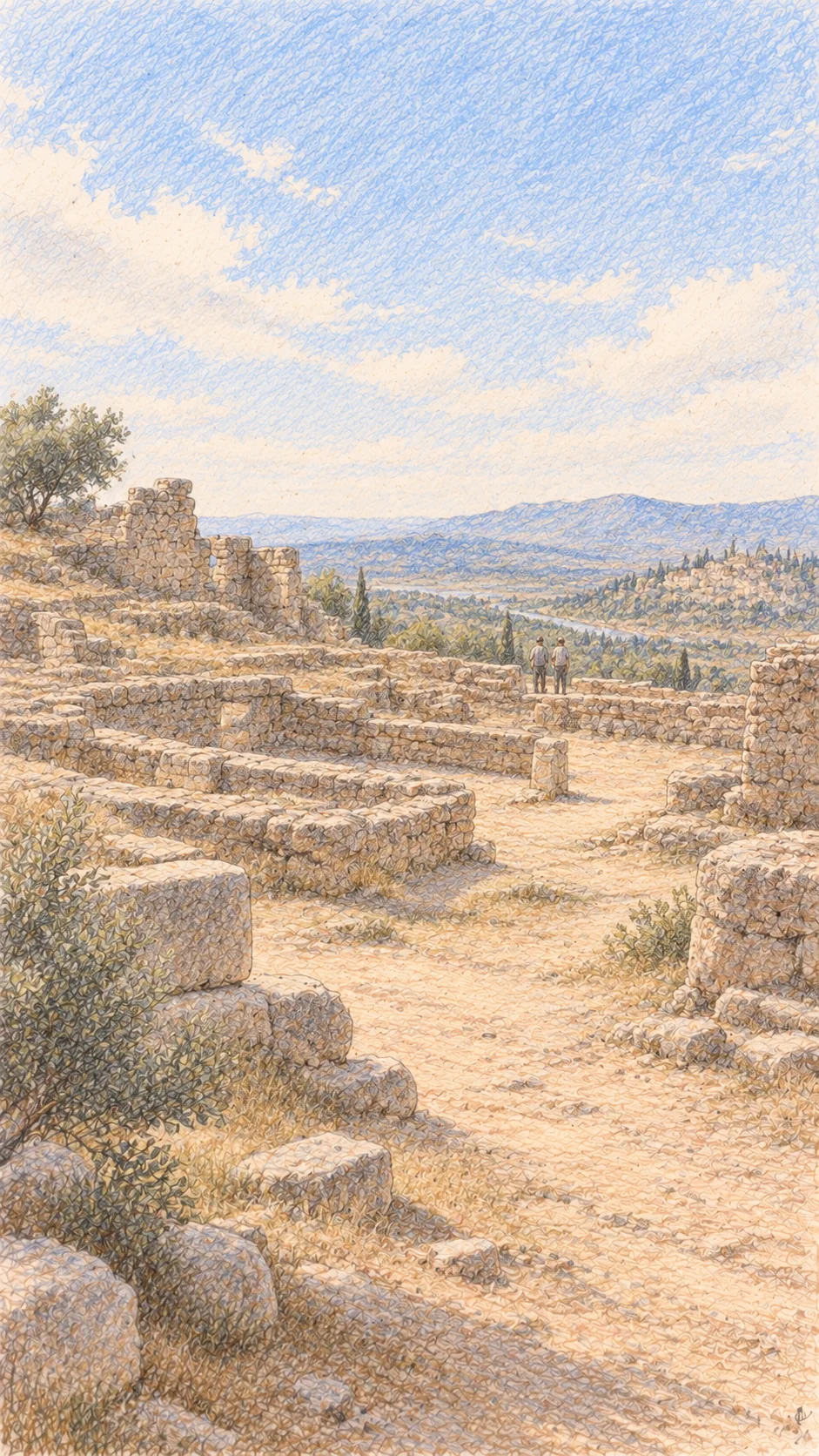
Next, look beyond the pages themselves.
The Bible names towns, kings, nations, peoples, journeys, wars, and everyday life.
It is not a book that only says, “Once upon a time, somewhere…”
Its stories are located within real history.
That is why archaeology and historical sources can be used to investigate places, people, and settings that appear in the Bible.
It is a book about faith, but its story is told within the real world.
The church has treated that historical setting as one important clue when considering the Bible.
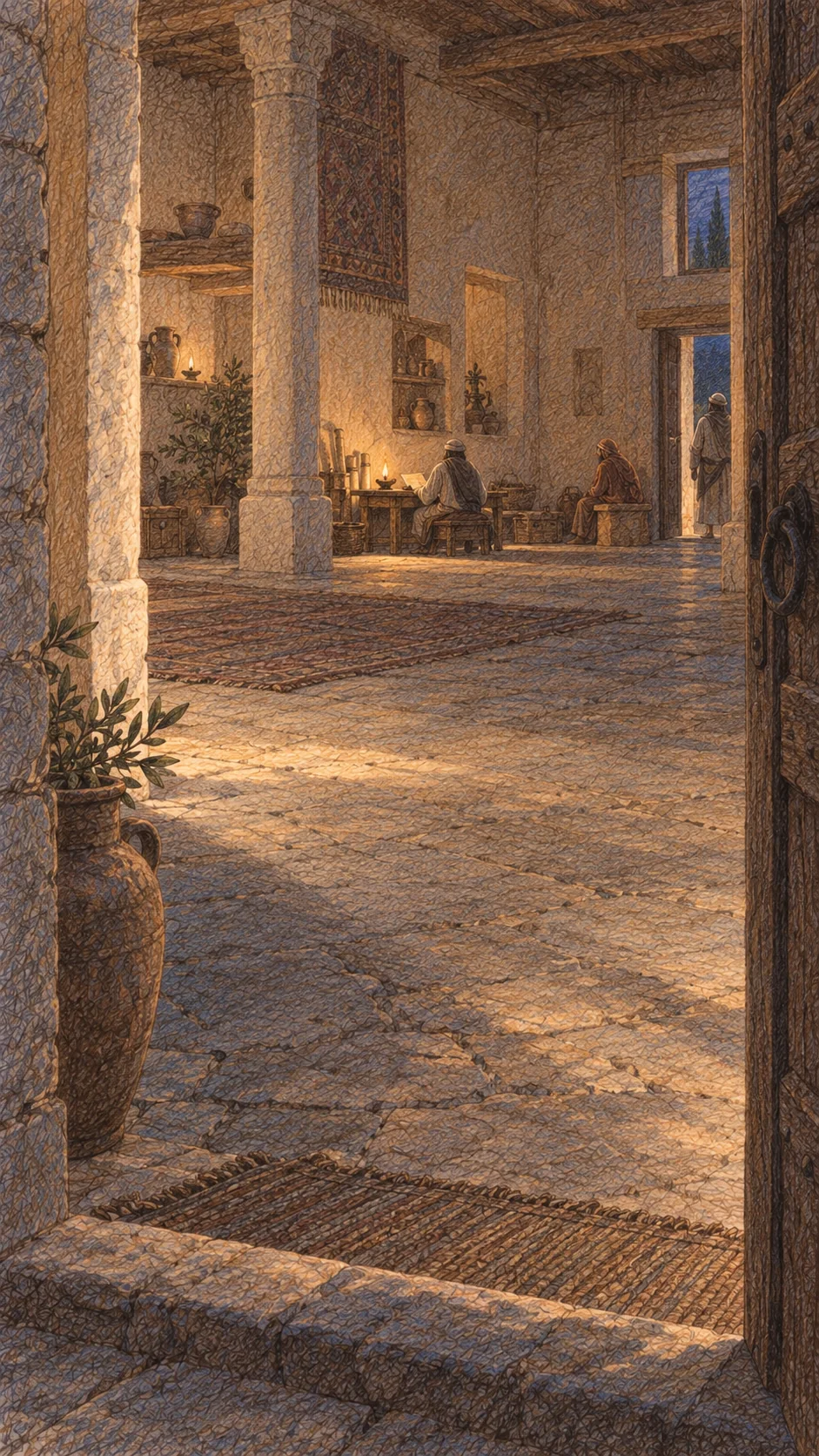
The Bible also contains people who say, “We saw” and “We heard.”
The New Testament in particular preserves testimony from people who walked with Jesus and from those who passed those events on.
What Jesus said. What he did among people. His death on the cross.
And testimony from people who said they encountered him after his resurrection.
Paul also wrote that the risen Jesus Christ appeared to many people.
They passed on what they had received to others.
The Bible is also a book carried forward through testimony.

And people have said that reading this book changed their lives.
That may not be something numbers alone can measure.
Yet across history, people have said that reading the Bible led them to reconsider how they lived, release hatred, or recover hope.
Some began learning to forgive. Some began seeking God.
Many have said that the words of Scripture spoke into their own lives.
The church has therefore received the Bible not only as a source of knowledge, but as words that address the heart and the way we live.

And those words are still being read.
The Bible did not begin as a single bound volume like the one we hold today.
Its writings were written down, copied, gathered, printed, and translated into many languages.
There were times when reading it was difficult, and times when it was criticized. Still, it continued to be passed from generation to generation.
One connected story. Promises. History. Witness. Words that have continued to address people.
Looking at these things, the church has received the Bible not merely as an old book, but as the word of God.
But is it really God's word? Perhaps that question cannot be answered simply by looking at the cover.
The Bible is a book meant to be read.
As you continue reading the Bible, you soon encounter a major word:
What does “sin” actually mean?